Palmers Green Green Lanes Rubbish Collection Guide N13
If you live or work near Green Lanes in Palmers Green, rubbish has a way of building up faster than you expect. One spare room becomes a storage zone, a shop back area fills with packaging, or a flat clearance turns into a weekend that just keeps going. This Palmers Green Green Lanes rubbish collection guide N13 is here to make the whole process feel simpler, safer, and less annoying than it first looks.
In plain English, this guide explains how rubbish collection works in the N13 area, what to think about before you book a collection, which disposal methods suit different jobs, and how to avoid the common headaches people run into on busy London roads. You will also find practical tips for homes, landlords, offices, and trade clearances, plus a few local realities that matter on Green Lanes. Let's face it, getting waste out of the way should not become a second project.
Table of Contents
- Why Palmers Green Green Lanes rubbish collection guide N13 Matters
- How Palmers Green Green Lanes rubbish collection guide N13 Works
- Key Benefits and Practical Advantages
- Who This Is For and When It Makes Sense
- Step-by-Step Guidance
- Expert Tips for Better Results
- Common Mistakes to Avoid
- Tools, Resources and Recommendations
- Law, Compliance, Standards, or Best Practice
- Options, Methods, or Comparison Table
- Case Study or Real-World Example
- Practical Checklist
- Conclusion
- Frequently Asked Questions
Why Palmers Green Green Lanes rubbish collection guide N13 Matters
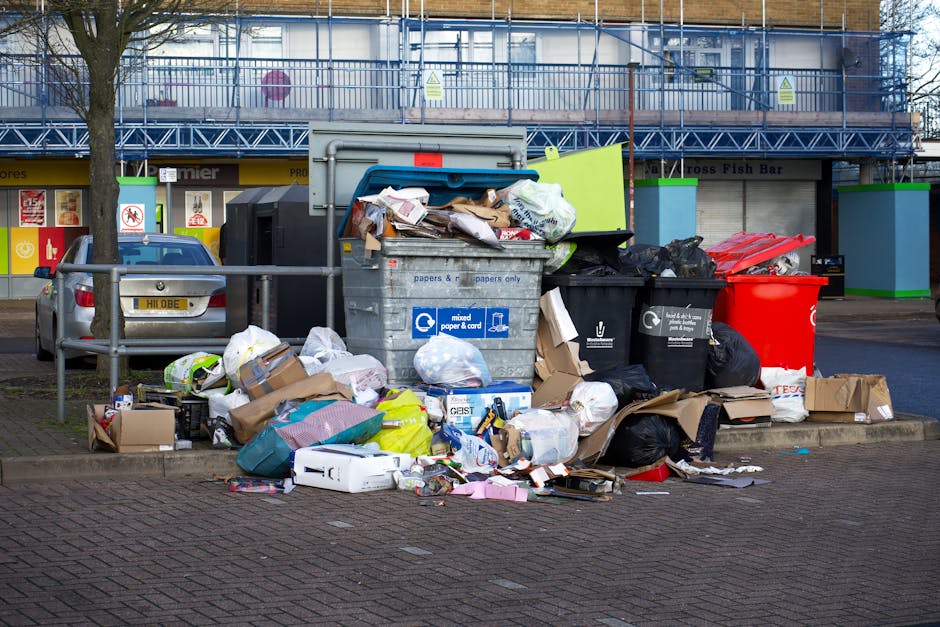
Green Lanes is a busy stretch, and Palmers Green is a place where homes, flats, small businesses, cafes, and trades all overlap in the same few streets. That mix creates a specific rubbish problem: waste is often awkward to store, hard to move, and inconvenient to leave lying around. Bags can block narrow entrances, bulky items can clog hallways, and timing matters because vehicle access is not always easy.
A good rubbish collection plan saves time, but it also reduces stress. If you have ever tried to carry a mattress down a stairwell at 8am while someone else needs the lift, you will know what I mean. A sensible collection setup can stop waste from becoming a nuisance for neighbours, tenants, staff, or customers.
There is also a standards issue. In London, rubbish needs to be handled properly, moved safely, and taken to the right place. That means thinking beyond "get rid of it somehow" and towards "what is the safest, cleanest, and most reliable way to do this job?". That shift matters, especially for mixed-use streets like Green Lanes.
Expert summary: The best rubbish collection approach in N13 is the one that matches your waste type, access constraints, timing, and duty of care. Simple job? Maybe. Simple planning? Not always.
How Palmers Green Green Lanes rubbish collection guide N13 Works
Rubbish collection in Palmers Green usually falls into one of a few practical routes. You can arrange a one-off collection for a pile of mixed household waste, book a clearance for bulky items, plan a trade or business removal, or choose a more structured solution if the waste volume is higher. The right option depends on what you are moving and how quickly it needs to go.
In real terms, the process is usually straightforward:
- You identify the waste type and rough volume.
- You check whether anything needs special handling, such as electrical items, sharp materials, or potentially hazardous waste.
- You decide whether you need curbside collection, full property clearance, or help from inside the property.
- You compare collection methods, prices, and timing.
- You book a suitable service and make the space accessible on the day.
The detail is where people often go wrong. A few black bags are one thing. A loft full of mixed clutter, old furniture, broken appliances, and damp cardboard is another. If the job includes bulky furniture, you may want to look at furniture disposal or furniture clearance rather than trying to squeeze it into a generic rubbish plan. That little decision can save a lot of back-and-forth later.
For homes, flats, and landlords, the collection usually needs a balance of speed and care. For businesses, there is often extra concern around confidentiality, opening hours, and avoiding disruption. A shop on Green Lanes does not really want a noisy clearance right when the pavement is full and customers are arriving. Timing is everything.
Key Benefits and Practical Advantages
The first benefit is obvious: you get your space back. But the practical value goes deeper than that. When rubbish is collected properly, a property feels calmer and easier to use. Rooms open up. Fire exits are less obstructed. Staff can move. Tenants can settle. It sounds simple, because it is simple, but the knock-on effect is huge.
Here are the main advantages people usually notice:
- Less disruption: A planned collection reduces the stop-start chaos of moving waste yourself.
- Safer handling: Heavy or awkward items are easier to manage with proper equipment and more than one pair of hands.
- Better recycling outcomes: Sorted waste is easier to divert from landfill where appropriate.
- Faster turnaround: Useful when you are between tenants, finishing a refurb, or preparing for an inspection.
- Cleaner presentation: Important for customer-facing businesses and landlords alike.
If the waste comes from a project, a more tailored service can make even more sense. For example, a room renovation may generate plasterboard offcuts, old units, packaging, and broken fixtures. In that kind of case, builders waste clearance is often a better fit than an ordinary household tidy-up. Same with offices: if your waste is mainly confidential paper, desk clutter, or old files, confidential shredding can be a lot more appropriate than general collection.
And yes, there is a mental benefit too. A clear room just feels different. Less background noise in your head. That may sound dramatic, but if you have ever tried to work around a pile of old furniture for three weeks, you know the feeling.
Who This Is For and When It Makes Sense
This guide is useful for a wide mix of people in N13, and the use cases are more varied than you might expect. Not everyone needs the same type of collection, and that is where a lot of the stress comes from. The right method depends on your situation, not just the amount of waste.
You may need rubbish collection if you are:
- Clearing a flat after a move or tenancy change
- Dealing with household clutter after a long build-up
- Managing office waste, old records, or broken equipment
- Clearing a garden after pruning, landscaping, or seasonal maintenance
- Removing a sofa, wardrobe, mattress, or mixed bulky waste
- Preparing a property for sale, letting, or renovation
- Trying to keep a business frontage tidy on a busy road
It also makes sense when you do not want the hassle of making repeated trips to a site, lifting heavy waste into a vehicle, or sorting what goes where. If you have a garage that has quietly become a storage cave, garage clearance is a practical option. If the problem is upstairs or tucked away, loft clearance or home clearance may be the cleaner route.
For landlords and agents, rubbish collection is often about speed between occupancies. For businesses, it is about reliability and keeping the operation moving. For households, it is often simply about reclaiming some peace.
Step-by-Step Guidance
If you want a smooth collection in Palmers Green, follow a sequence rather than improvising on the day. That is where most people save time, to be fair.
1. Identify what needs removing
Walk through the space and split items into categories: general waste, bulky items, recyclables, electrical items, and anything potentially hazardous. A bag of old clothes is one thing. A leaking tin of paint is another. Be a bit ruthless here.
2. Measure the scale
You do not need a perfect cube calculation, but a rough idea helps. Ask yourself: is this a few items, a van load, or a full clearance? If the answer is "probably more than I thought", that is normal. People nearly always underestimate volume.
3. Check access
Green Lanes can be awkward at the best of times, so think about stairs, lift access, parking, loading space, and whether items need to be carried through communal areas. If access is tight, mention it before booking. It avoids those awkward five-minute delays that turn into twenty.
4. Separate anything sensitive or special-case
Keep paperwork, cash-sensitive materials, and confidential documents separate. Some items may also need special disposal. For example, fridges, freezers, and other appliances are better handled via fridge and appliance removal rather than left to become a mixed-waste headache.
5. Compare the service type
Think about whether you need a simple rubbish collection, a bulky item pickup, a property clearance, or a waste solution for ongoing business use. If your waste comes from a workplace, business waste removal may give you the most sensible structure.
6. Book and prepare the space
Move items to where they can be accessed safely, unless you have arranged a full internal clearance. Keep pathways open. Protect floors if needed. Put aside anything that must not be taken by mistake. Then, on the day, leave enough time for the team to load without being rushed.
7. Check what happens after collection
Ask where the waste goes, how recyclable material is handled, and whether there are any items excluded from the service. If sustainability matters to you, that last part really does matter. A responsible collection should not feel like the end of the story.
For a ready-made route into booking, you can review book online and use pricing and quotes to understand the likely cost structure before committing.
Expert Tips for Better Results
A few small choices make rubbish collection much easier. None of them are flashy, but they save time and avoid unpleasant surprises. Honestly, the boring stuff is usually the useful stuff.
- Group waste by type before collection day. Even a rough separation of mixed waste, furniture, and electrical items can speed things up.
- Keep a clear route to the waste. A blocked hallway or stacked stair landing makes the job slower and less safe.
- Photograph larger loads. This helps when you need an accurate quote and avoids miscommunication.
- Be honest about awkward items. Broken glass, heavy cabinets, and damp materials should be mentioned upfront.
- Choose timing carefully. If you are near the busy part of Green Lanes, a quieter slot can make the whole experience easier.
- Use specialist services for specialist waste. Mattresses, sofas, white goods, garden waste, and building debris are all different beasts.
If you are clearing outdoor waste, especially after pruning or a small landscaping job, garden clearance is often the neatest option. If the job involves bulky beds or worn-out sofas, mattress and sofa disposal can be much more straightforward than trying to improvise a mixed load.
One more thing: if you are dealing with a long-overdue clear-out, start with the easiest room first. That small win sets the tone. Strange but true.
Common Mistakes to Avoid
Most rubbish collection problems come from rushing the planning stage. The waste itself is rarely the real issue; it is the assumptions around it. People assume access will be easy, that everything counts as general rubbish, or that one van trip will be enough. Then the job gets messy.
- Underestimating volume: The most common mistake by far. A couple of bags can become a roomful once sorted.
- Mixing hazardous items with general waste: This can create safety and compliance issues.
- Leaving access details until the last minute: Narrow roads, gates, stairs, and permits all matter.
- Forgetting about bulky furniture: A sofa or wardrobe changes the job completely.
- Not separating confidential material: Especially relevant for offices and home businesses.
- Booking the wrong service type: A general collection is not always the right answer.
A surprisingly common one is the "we'll just pile it by the door" plan. That sounds efficient until the hallway becomes blocked and everyone starts stepping around it. Not ideal. If the waste includes building debris, check what can go in a skip so you can understand how heavy, mixed, or restricted materials are typically handled.
And a final mild warning: do not leave sorting until the morning of collection. That is how people end up holding three different bags and wondering which one contained the broken lamp.
Tools, Resources and Recommendations
You do not need a warehouse full of equipment to manage rubbish well. But a few simple tools help, especially if you are sorting a bigger load or preparing items for collection.
- Heavy-duty sacks or bins: Useful for bagged waste, but do not overload them.
- Gloves: Better grip, better protection, and fewer small cuts from sharp edges.
- Labels or tape: Handy for marking keep, recycle, and remove piles.
- Phone camera: Good for recording what needs collecting and comparing options.
- Basic trolley or sack truck: Very useful for heavier items where access allows.
- Storage boxes or crates: Helpful for paperwork, loose small parts, and mixed household items.
From a service perspective, it is worth looking at a company's policies and practical standards before you book. A page like health and safety policy can tell you how seriously the provider treats risk, while insurance and safety is a sensible check when heavy items, stairs, or shared spaces are involved. For environmentally minded customers, recycling and sustainability is worth reading too.
For households dealing with a broader clear-out, the following can be useful depending on the room or item type: house clearance, flat clearance, office clearance, and home clearance. Each one fits a slightly different practical need, which is exactly the point.
Law, Compliance, Standards, or Best Practice
Rubbish collection is not just about convenience. In the UK, waste has to be handled responsibly, and anyone arranging disposal should think about duty of care, safe handling, and proper transfer to an authorised route. That applies whether you are a householder, landlord, or business owner.
For everyday readers, the simplest best-practice rules are these:
- Use a reputable collector for anything beyond simple household bag waste.
- Do not mix general rubbish with items that need special disposal.
- Keep hazardous, sharp, or contaminated materials separate.
- Make sure the collection method suits the access and the load.
- Be clear about who is responsible for the waste before it is moved.
If your waste includes chemicals, solvents, paints, oils, batteries, or other risky materials, it should be treated as potentially hazardous and handled with extra care. That is not an area to guess your way through. If in doubt, use a specialist route such as hazardous waste disposal rather than mixing everything together and hoping for the best. Hope is not a disposal strategy.
Best practice also includes transparency. A provider should be clear about what they can take, how waste is sorted, and what happens after loading. That is one of the reasons it is wise to review terms and conditions before booking. It is a small step that prevents bigger misunderstandings later.
Options, Methods, or Comparison Table
Choosing the right rubbish collection method in N13 is mostly about matching the waste to the job. Here is a simple comparison to help you think it through.
| Method | Best for | Strengths | Limitations |
|---|---|---|---|
| Small rubbish collection | Few bags, light mixed waste | Quick, simple, low fuss | Not ideal for bulky or heavy loads |
| Bulky item removal | Sofas, beds, wardrobes, appliances | Handles awkward items safely | May need extra time or specialist handling |
| Full property clearance | Flats, houses, lofts, garages | Best for larger, mixed clear-outs | More planning needed up front |
| Business waste removal | Shops, offices, and regular workplace waste | Reliable and repeatable | May need ongoing scheduling |
| Specialist disposal | Appliances, hazardous items, confidential waste | Safer and more appropriate | Requires correct categorisation |
If the room is crammed with mixed household items, sometimes the cleaner route is not a simple pickup but a broader clearance service. That is where pages like furniture clearance, garage clearance, or loft clearance become especially useful. The real question is not "what is the cheapest way?" but "what is the least painful way that still gets the job done properly?"
Case Study or Real-World Example
Here is a realistic example from the sort of job people regularly face around Palmers Green. A small office off Green Lanes had old chairs, boxed stationery, damaged shelving, and a stack of documents from a room that had slowly turned into a catch-all. Nothing dramatic. Just a room that had got out of hand over time. You know the type.
The team first separated paperwork for shredding, then grouped the furniture, then pulled out any items that might need special handling. Because the office was close to a busy street and access was limited, the collection had to be timed carefully so the load could move quickly without blocking the entrance. The result was much smoother than the original "we'll do it ourselves on Friday" idea, which, honestly, would probably have taken half the day and a lot of grumbling.
The practical lesson is simple: once a job includes mixed waste, access issues, or bulky items, planning matters more than brute force. Whether the problem is a shop stockroom, a spare bedroom, or a property after a tenancy change, the right collection method saves both time and energy.
That same approach works for domestic jobs too. A household clear-out near Green Lanes might include a sofa, a broken freezer, some loft clutter, and a few bags of old textiles. Split properly, those items become manageable. Left as one heap, they become an all-day headache. There is the difference.
Practical Checklist
Use this checklist before collection day. It is simple, but it stops a lot of problems.
- Have I identified exactly what needs removing?
- Do I know whether any items are hazardous, sharp, or confidential?
- Have I checked access, parking, stairs, and lift availability?
- Have I separated furniture, appliances, and general waste where needed?
- Are fragile or reusable items set aside?
- Have I got rough photos or notes for quoting?
- Do I know which service type fits the job best?
- Have I confirmed the booking time and any entry instructions?
- Is the path to the waste clear and safe?
- Do I understand the collection terms and any exclusions?
If you are unsure about a particular item, stop and check before it is placed with general rubbish. That tiny pause can prevent a bigger mess. And if you are dealing with a fridge, freezer, or similar appliance, make sure the disposal route is right for it rather than treating it like ordinary household waste.
Get a free quote today and see how much you can save.
Conclusion
Palmers Green Green Lanes rubbish collection in N13 is really about making waste removal fit the reality of local life: busy roads, mixed property types, limited space, and the need to keep things moving. The best outcome comes from matching the collection method to the waste, planning access properly, and avoiding the usual last-minute scrambles.
If you take one thing from this guide, let it be this: good rubbish collection is not just about taking things away. It is about doing it cleanly, safely, and with less disruption than you expected. That is what makes the difference between a stressful clear-out and a satisfying one.
When the space is clear again, you feel it straight away. A bit more room. A bit more breathing space. And, truth be told, that is often exactly what people were looking for all along.
Frequently Asked Questions
What does a rubbish collection guide for Palmers Green Green Lanes N13 actually cover?
It covers the practical steps for arranging waste collection in the area, including what type of service suits your load, how to prepare access, what to do with bulky or specialist items, and how to avoid common mistakes.
Is this guide useful for both homes and businesses?
Yes. Homes, flats, landlords, offices, and shops all deal with rubbish differently, so the guide is designed to help with domestic clear-outs as well as business waste removal in a busy local area.
What is the difference between rubbish collection and clearance?
Rubbish collection is usually for a specific load or a smaller amount of waste. Clearance tends to cover a larger or more mixed job, such as a loft, garage, flat, or office that needs several items removed at once.
Do I need to sort everything before collection?
Not always, but some basic sorting helps a lot. It is usually wise to separate general waste, bulky items, confidential material, and anything that might be hazardous or need special handling.
Can bulky furniture be collected in the same job as general rubbish?
Often yes, but it depends on the service and the volume. Sofas, beds, wardrobes, and similar items are usually easier to handle through a furniture disposal or clearance service rather than treating them as simple bagged waste.
What if I have old appliances or a fridge to dispose of?
Appliances should be handled carefully because they are heavier, awkward, and sometimes require special disposal. A dedicated appliance removal route is usually the safer option.
How do I know whether my waste is hazardous?
If it includes chemicals, oils, solvents, paint, batteries, or contaminated materials, treat it cautiously. When in doubt, use a specialist hazardous waste route rather than adding it to general rubbish.
Is it worth booking a full property clearance instead of a normal collection?
If you have several rooms, a loft, a garage, or a mixed load of large items, yes, it often is. A clearance service can be much more efficient than piecing together several separate collections.
How can I make collection day easier?
Keep pathways clear, group items by type, make sure access is sorted, and leave any special items clearly marked. A little preparation can make a big difference, especially on a busy street like Green Lanes.
What should I check before booking a rubbish collection service?
Check what is included, what waste types are accepted, whether the provider is clear about safety and insurance, and whether the timing suits your property access. It also helps to review the terms and pricing information first.
Can rubbish collection help if I am clearing a flat between tenancies?
Definitely. Flat clearances are one of the most common reasons people need collections in N13. It is often faster and less stressful than trying to move everything yourself, especially with stairs, lifts, or time pressure.
What is the best next step if I am still unsure?
Start by listing what needs removing and taking a few photos. Then compare the service type that best fits your load. If the job is bigger or more awkward than expected, a proper quote will usually make the decision much easier.