Commercial Waste in Palmers Green

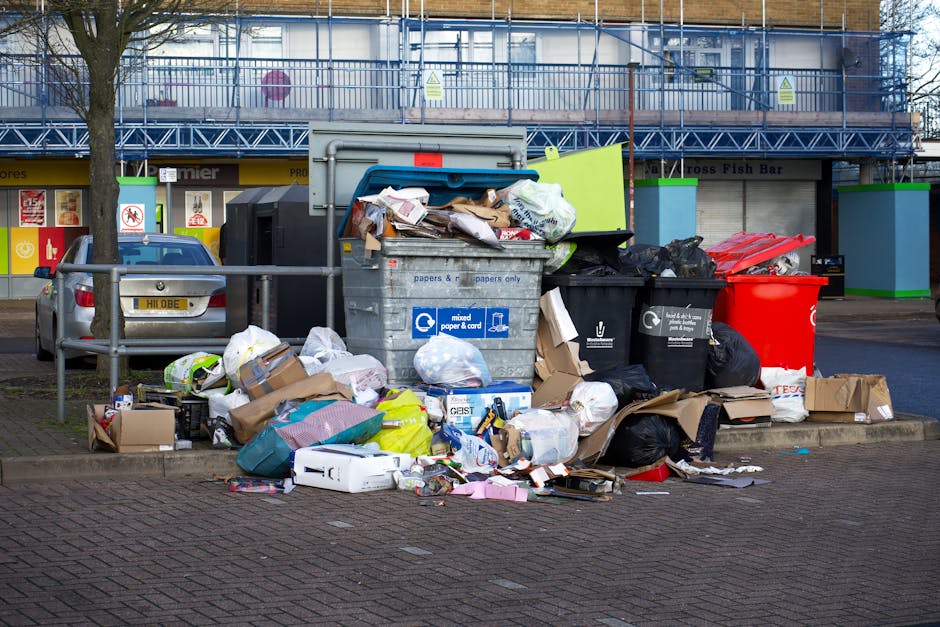
Commercial waste in Palmers Green needs a service that is practical, orderly and suited to business premises. We collect and clear a wide range of non-hazardous commercial waste streams, helping offices, shops, workshops and hospitality premises keep back-of-house areas under control. The focus is on removing waste responsibly, keeping segregation sensible and giving each collection a clear end point rather than leaving businesses to manage awkward piles of surplus material.
Our approach is designed around straightforward removals of business waste that has built up through day-to-day trading, refurbishments, stock changes or seasonal clearing. We separate suitable reusable, recyclable and residual material where that is appropriate, and we handle the practical side of loading and removal. If you need to compare scope and plan the next step, take a look at our business waste removal service details alongside the wider waste removal option.
The simplest way to get started is to describe what needs shifting, how much there is and any access points that matter. A brief list is usually enough for an initial quotation request, especially when the waste includes mixed office items, packaging, shelving offcuts or worn-out stock. If you want to see how we structure costs, review the information on pricing and quotes and then send the details that best describe your collection.
General commercial clearance for everyday business waste
General commercial clearance suits premises that need an organised removal rather than a specialist disposal process. It can cover bagged refuse, broken office furnishings, surplus packaging, redundant fixtures and the kinds of mixed materials that are awkward to move in-house. We keep the work focused on safe handling and efficient loading, which helps make sure the waste leaves the premises without unnecessary disruption to staff, visitors or trading hours.
For many businesses, the most useful service is one that deals with mixed waste in a single visit while still paying attention to what can be sorted. That might include cardboard, plastic wraps, paper archives, old displays, reception furniture or equipment casings that no longer serve a purpose. Where a site has several categories of waste, we can help you decide which items belong together and which may need separate handling before collection.
Office waste collection and internal clear-outs

Office waste collection is often about restoring usable space as much as removing unwanted items. Surplus desks, task chairs, filing units, monitor stands and other everyday office objects can take up valuable room in stores, meeting spaces or storage cupboards. We deal with practical removals from office environments and similar professional premises, allowing you to clear out outdated items, make room for a rearrangement or dispose of material left after a move.
Where offices have accumulated a mix of paperwork, packaging and old equipment, it helps to think about the different kinds of waste before collection. A tidy separation of items such as paper records, broken fittings and larger furniture pieces can make the process easier to plan. For businesses wanting a more focused office service, office clearance gives a clearer picture of how that work can be approached, while confidential shredding is relevant where secure document disposal is needed.
Useful preparation is simple and should not take long.
- Group loose items together so the load is easy to assess.
- Keep any reusable equipment apart from general waste if you want it treated differently.
- Make sure access routes are clear enough for items to be moved without blocking work areas.
Retail, trade and hospitality waste solutions
Palmers Green has a mixture of high street, local service and hospitality activity, so commercial waste often comes from changing stock, refits, delivery packaging and worn-out display material. Retail and trade premises can produce a lot of light but bulky waste, and hospitality settings may also need regular removal of damaged furnishings, kitchen-side waste containers or redundant front-of-house items. We provide a practical removal service that can be adapted to these varied settings.
When a business has different waste streams, it is often helpful to separate what is purely commercial rubbish from items that may need special handling. For example, a shop fitting may include timber offcuts, shelving, cardboard and metal components, while a café clearance may include seating, counters and mixed packaging. If your requirement is broader than a simple uplift, the pages on furniture clearance and furniture disposal explain related services that can sit alongside general commercial removal.
Furniture, fixtures and bulky item removal
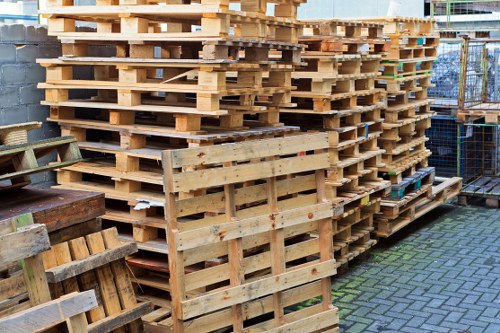
Bulky items are often the main reason businesses seek a waste collection team rather than trying to manage disposal internally. Chairs, tables, cabinets, counters, shelving runs and worn reception furniture can be awkward to dismantle and carry through occupied premises. Our service is built to remove these items safely and with enough care for common access constraints such as narrow corridors, stairways and shared entrances.
Not every bulky item behaves the same way once it is ready for disposal. Some are straightforward to move, while others may need partial dismantling, especially if they were fixed in place or assembled around a room layout. It can help to think in terms of item type and access rather than simply volume. Where furniture is part of a larger clear-out, the related flat clearance and house clearance pages show how mixed furniture loads are handled in domestic settings, which can be useful when a business premises contains living or accommodation-style rooms.
For a commercial customer, the main decision is usually whether the load is mostly furniture, mostly waste, or a blend of both. A mixed load can still be managed effectively, but it is useful to identify anything that is fragile, fixed, unusually heavy or likely to need extra labour before collection day. That keeps expectations realistic and helps the quotation reflect the actual work required.
Builders’ and fit-out waste from refurbishments
Refurbishment work in a business property often leaves a trail of packaging, offcuts and removed materials. Builders’ waste can include plasterboard, timber, broken fittings, tiles, doors, flooring remnants and mixed debris from strip-out work. We deal with the practical side of removing this material once it has been made safe and collected into manageable piles, helping premises move from works-in-progress to a clean handover.
For construction-related waste, it is sensible to be clear about what is included and what is not. Some materials are straightforward to remove, while others may need special treatment or separate handling because of composition or contamination. If your project is limited to a specific room or interior refresh, the builders’ waste clearance page is a useful place to understand that service in more detail. For customers who want to manage the process carefully, health and safety policy and insurance and safety provide supportive background on how safe working is approached.
Specialist items that need separate judgement
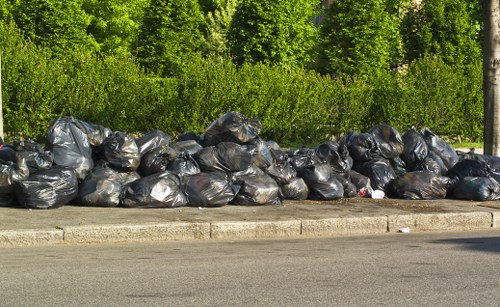
Some commercial waste is not suitable for a standard mixed uplift, either because of its material type or because it needs a different disposal route. Refrigeration units, certain appliances, items containing residual substances and other unusual objects may need separate review before collection. We keep this part of the service conservative and careful, because the right answer depends on the item rather than on a broad assumption about what can be removed together.
If you are unsure whether an item fits the general collection or needs a specialist path, it is better to identify it before the visit. That helps avoid delays and allows the right handling method to be discussed in advance. For example, the fridge and appliance removal page is relevant for certain electrical and cooling units, while hazardous waste disposal covers material that should not be treated as ordinary rubbish. Where soft furnishings are part of the load, mattress and sofa disposal may also be useful.
It is sensible to treat these items as a separate part of the enquiry rather than folding them into a standard description. Clear identification leads to a more accurate quotation and a safer collection plan. If you are preparing notes for a request, simply list the item type, approximate number and any obvious access issue such as stairs, tight doors or fixed surroundings.
About Palmers Green
Palmers Green is an area in the London Borough of Enfield in north London, best known for its long, green spine along Green Lanes and for the mixed character that has developed around a busy suburban centre. The district takes its name from a medieval connection with the Palmer family, and over time it grew from a rural settlement into a residential and commercial neighbourhood served by rail and road links. Palmers Green railway station on the Great Northern route has long been one of the area’s defining transport connections, linking the district to central London and surrounding parts of north London. Green Lanes remains the most prominent thoroughfare, with retail frontages, cafés and local services sitting alongside side streets of housing and small institutions. The area also has a notable connection with Broomfield Park, a large public open space with formal gardens, sports provision and open lawns that provide a strong contrast to the denser streets nearby. Local architecture reflects several periods of expansion, from late Victorian and Edwardian housing to later infill and commercial properties, giving the area a varied streetscape rather than a single architectural identity. Palmers Green also sits within a wider cultural geography that includes nearby Winchmore Hill, Southgate and Edmonton, but it keeps a recognisable centre of its own through the station, the shopping corridor and the park. That combination of transport, greenery and local commerce has made it a settled part of north London rather than a transient suburb, with everyday activity concentrated around familiar landmarks and routes that have remained important for generations.
Recycling, sorting and responsible disposal routes
Commercial waste is rarely useful if it is simply moved from one corner of a premises to another, so the disposal route matters. Where items can be separated, we aim to keep recyclable material apart from general residual waste. That may include cardboard, paper, metals, some plastics and certain clean reusable items, depending on the make-up of the load. The aim is to make the collection sensible, not to overstate what can be recovered from every job.
Recycling and sustainability explains the wider approach to handling material with attention to reuse and diversion from landfill where appropriate. For many business customers, this is not about slogans but about making a practical decision on which items can be sorted early and which need straightforward disposal. If the load includes mixed contents, it is usually best to note that upfront so the collection can be planned around the actual composition rather than an idealised version of it.
Booking, access and quotation details

Commercial customers often want a clear quotation without turning the enquiry into a long project. A concise description of the waste, an approximate amount and the location inside the premises is usually enough to begin. If access is straightforward, that can be mentioned too; if there are loading constraints, restricted hours or shared entrances, it is better to say so early. This keeps the estimate grounded in the real job and helps prevent unnecessary back-and-forth.
One accurate note about the load is usually worth more than several vague guesses. If you can, separate the main categories before you send details: furniture, office waste, packaging, refurbishment debris or specialist items. You do not need to over-prepare, but a little organisation makes the quotation process clearer. You can also use the booking route at book online once you are ready to request a visit, or return to contact us if you prefer to send a more general enquiry first.
For businesses comparing options, it is often sensible to start with the service page that best matches the load, then use the contact route to request a quotation. If your requirement is mainly routine business clearance, the most relevant path is usually the commercial waste page itself; if the job is broader, related pages can help you describe the work more precisely. Please get in touch for a quotation when you are ready, and include the details that best reflect the waste you want removed.