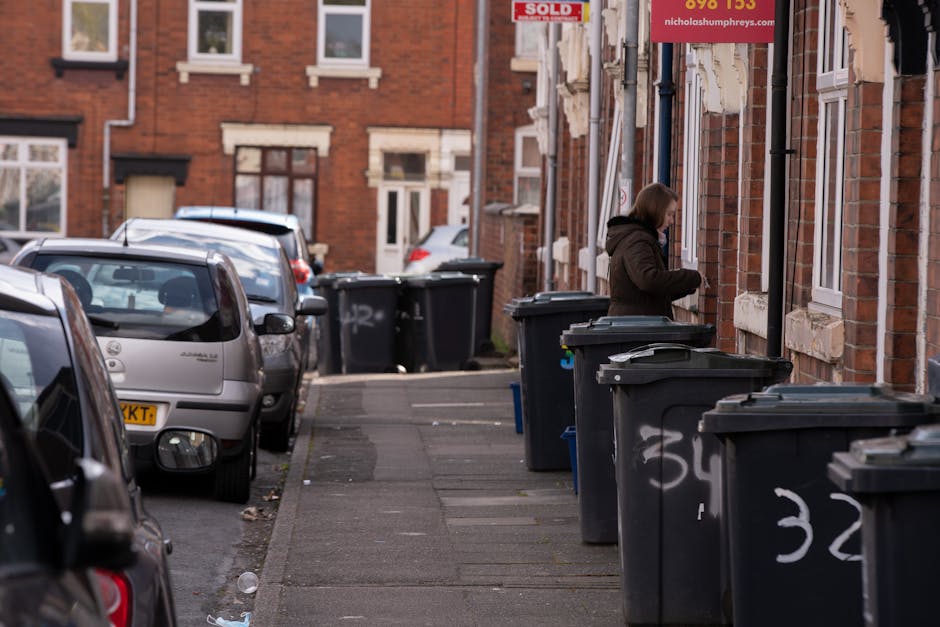
Woodside Road alternative rubbish services for Palmers Green

If you live or work around Woodside Road, you already know how quickly rubbish can build up. A sofa left in the hall, a garage that has become a second storage unit, or builders' waste sitting in the driveway can turn a normal week into a headache. This guide to Woodside Road alternative rubbish services for Palmers Green explains the realistic options available when council collections, a skip, or a DIY tip run are not the best fit. It is written for people who want something practical, local, and straightforward - not vague advice that sounds nice but helps nobody on a rainy Tuesday afternoon.
You will find how these services work, when they make sense, what to avoid, and how to choose the right disposal route for your situation. We will also touch on safety, compliance, and a few real-world considerations that are easy to miss when you are focused on simply getting the clutter out of the way.
Why Woodside Road alternative rubbish services for Palmers Green Matters
Alternative rubbish services matter because not every clearance job fits the same mould. A standard bin collection is fine for everyday household waste, but it is far less useful when you have bulky furniture, renovation rubble, mixed junk, or a full property that needs clearing in one go. Around Palmers Green, that often means people need a more flexible option than waiting for the next collection day or trying to cram everything into a car boot.
Woodside Road and the surrounding streets can throw up a few common challenges: limited parking, narrow access, busy daytime traffic, and the lovely surprise of realising a two-person job has somehow become a six-bag job. Let's face it, rubbish never looks dramatic until it's in your hallway blocking the way to the kettle.
That is why a proper alternative rubbish service can be such a relief. It gives you a way to remove waste quickly, safely, and without turning the process into a whole weekend project. In a local area like Palmers Green, speed and tidiness matter as much as price. Nobody wants a pile of waste hanging around outside the property any longer than necessary.
For many residents and businesses, the real value is control. You decide what goes, when it goes, and how much help you need. That can be especially helpful if you are clearing after a move, a refurb, a tenant changeover, a garden overhaul, or just a general reset after a long period of "I'll deal with that later."
How Woodside Road alternative rubbish services for Palmers Green Works
In simple terms, alternative rubbish services are designed to remove waste without relying on a skip parked outside for days. The process is usually more convenient and more adaptable. You book a collection, describe the waste, and arrange a time window that suits your property and your schedule.
A team then arrives, assesses the load, and removes the rubbish from the agreed location. Depending on the type and amount of waste, this can mean loading from a front garden, side access, driveway, garage, loft, office, flat, or a more awkward spot with a few narrow turns. That flexibility is one of the biggest reasons people choose it.
For example, if you are clearing a flat on or near Woodside Road, the service can handle the logistics without you needing to organise heavy lifting down several flights of stairs. If you are managing a business cleanup, it can keep disruption down during trading hours. If you are stripping out a room after a DIY job, it can take the mess away in one visit instead of dragging out the process over several trips.
Some people compare it to a skip because both deal with waste, but the experience is different. A skip is static. Alternative rubbish removal is more hands-on and often quicker for mixed loads. If you want a broader overview of waste handling, the site's waste removal page is useful as a starting point, while the guidance on what can go in a skip can help you understand what sort of material is usually acceptable in a more container-based setup.
In day-to-day terms, the process is usually this: you explain the job, the collection is scheduled, and the waste is taken away. Simple on paper. Much easier than doing it yourself, too.
Key Benefits and Practical Advantages
There are several reasons people choose alternative rubbish services instead of waiting for council collection or hiring a skip. The best choice depends on the job, but these are the advantages that come up most often.
- Faster turnaround: If the waste needs to go now, this option is often the quickest route.
- Less heavy lifting for you: That matters when items are bulky, awkward, or simply not safe to carry alone.
- Better for tight streets: Not every Palmers Green property has space for a skip or easy vehicle access.
- Flexible for mixed waste: You can deal with a combination of furniture, bagged rubbish, light construction debris, and other unwanted items.
- Cleaner finish: A proper collection leaves the area tidier, which is especially useful before lettings photos, inspections, or tradespeople arrive.
- Less disruption: The waste is removed in one organised visit rather than sitting outside for days.
There is also a psychological benefit, which people do not always mention. Once the clutter is gone, the space feels bigger, calmer, and easier to use. You notice the room again. The air feels lighter. Bit dramatic, maybe, but anyone who has cleared a packed garage knows exactly what I mean.
If sustainability is part of your decision, you may also want to look at the service's approach to recycling and sustainability. Good rubbish services do not simply dump everything together and hope for the best. Sorting and recovery practices can make a real difference to how much material is reused or recycled.
For businesses, there is another angle: time saved is money saved. A shop, office, or workspace can stay open, or reopen sooner, when waste is removed efficiently. That can be especially helpful after an office move or a stockroom clear-out.
Who This Is For and When It Makes Sense
This type of service is useful for a wide range of people in Palmers Green. The obvious answer is anyone with rubbish to remove, but the more useful answer is: anyone whose waste is too bulky, too much, too awkward, or too urgent for a simple bin solution.
Typical users include:
- Homeowners clearing lofts, garages, sheds, or spare rooms
- Tenants and landlords dealing with end-of-tenancy rubbish
- Estate agents and property managers preparing a property for viewings
- Builders and tradespeople with leftover materials after a job
- Office managers disposing of desks, chairs, files, or old equipment
- Families dealing with inherited items or full-property clearances
It is also a sensible choice when you have an item that is simply too awkward to move safely on your own. A bulky wardrobe, a broken washing machine, or a damp mattress may look manageable from a distance. Then you tilt it once and realise, no, actually, it is not.
For domestic clearances, services like house clearance, home clearance, flat clearance, garage clearance, and loft clearance can be particularly relevant depending on the space you are dealing with. For commercial premises, office clearance and business waste removal are often the best fit.
Sometimes the job is more specific. A single mattress, a damaged fridge, a pile of garden trimmings, or a bathroom strip-out can all justify a targeted approach rather than a general tidy-up. That is where the service becomes more practical than a one-size-fits-all solution.
Step-by-Step Guidance
If you are trying to organise rubbish removal on or near Woodside Road, here is the easiest way to approach it.
- Sort the waste by type. Separate general rubbish, reusable items, bulky furniture, electricals, and anything that may need special handling.
- Check access. Think about stairs, narrow hallways, parking, lift access, and where the load can be collected from.
- Take a quick inventory. A rough list or a few photos can help you explain the job clearly and avoid surprises.
- Identify anything sensitive or hazardous. Items such as chemicals, certain batteries, or sharp materials may need extra care.
- Choose the right service type. Builders' waste, furniture disposal, garden waste, and full clearances are not always the same job.
- Confirm timing. A morning collection can be helpful if you want the space ready for the rest of the day.
- Prepare the items. Bag loose rubbish where sensible, unplug appliances, and move smaller objects together so loading is easier.
If you want to make the process even smoother, look at the service page for booking online if you prefer to arrange things without a long back-and-forth. For pricing questions, the pricing and quotes page is a sensible place to start before you commit.
A practical tip: if the job is spread across multiple rooms, photograph each area before you start moving things. It helps you avoid accidentally losing track of what belongs to which pile. Happens more than you'd think.
Expert Tips for Better Results
After enough clearances, a few patterns become obvious. The jobs that go smoothly tend to share the same habits. None of these are complicated, but they save time and friction.
- Keep pathways clear. Even if the waste itself is messy, the route to it should be safe and open.
- Tell the full story up front. If there is a fridge in the corner, say so. If the mattress is wet, say that too. It helps planning.
- Group similar items together. Furniture in one area, bagged waste in another, appliances aside.
- Think about weather. A damp morning in London can make paper, cardboard, and fabric heavier and harder to handle.
- Ask about recycling streams. Not every item should go in the same pile, and a little sorting can improve recovery rates.
If you are dealing with old furniture, the pages on furniture clearance, furniture disposal, and mattress and sofa disposal can help you understand what sort of items are commonly handled and how specialised removal can simplify the job.
Another good habit: keep a small bag or box for genuinely reusable bits. Chargers, spare screws, curtain poles, and little hardware pieces can be surprisingly useful later. The rest can go. The rest usually should go.
Common Mistakes to Avoid
Most problems with rubbish removal are avoidable. That is the good news. The less good news is that people often make the same few mistakes because they are busy, tired, or trying to finish the job in one burst after work.
- Mixing everything together: Mixed waste is harder to sort and can make the job slower.
- Underestimating volume: What looks like three bags can become eight once sorted.
- Ignoring access problems: A tight stairwell or blocked drive can change the job completely.
- Forgetting specialist items: Appliances, hazardous materials, and certain bulky items may need different handling.
- Leaving it too late: If the property handover or builder deadline is close, last-minute planning adds stress for no reason.
One small but common issue is assuming all waste is interchangeable. It is not. A bag of household junk, a stripped bathroom suite, and a load of garden cuttings each bring different handling considerations. If in doubt, ask before collection day rather than hoping for the best. Hope is not a disposal strategy.
Also, do not overlook property rules. In flats, managed buildings, and commercial premises, there may be access windows, lift restrictions, or storage limits. It is much easier to deal with that before the waste is in the corridor.
Tools, Resources and Recommendations
You do not need a van full of gadgets to prepare rubbish for removal, but a few simple tools can make life easier. A decent marker pen, sturdy bags, gloves, and a torch are surprisingly useful. If the job involves attics, basements, or shadowy corners, a torch that actually works is worth its weight in gold.
For more specific jobs, these pages can help you decide what kind of clearance you need:
- builders waste clearance for renovation debris and site leftovers
- garden clearance for cuttings, soil, branches, and outdoor clutter
- fridge and appliance removal for white goods and broken electricals
- confidential shredding for documents that should not end up in general waste
If you are planning a broader tidy-up rather than a single load, a combined approach can be the most efficient. For example, a garage clear-out may include old tools, a broken freezer, cardboard boxes, and a few items of furniture. Handling it all as one organised job saves repetition and keeps the property clear faster.
It is also sensible to review the company's own standards before booking. Pages such as insurance and safety and health and safety policy help build confidence that the work will be done carefully, not just quickly.
Law, Compliance, Standards, or Best Practice
Waste removal in the UK is not just about convenience. There is a duty of care element too. In plain English, that means rubbish should be handled responsibly, transported properly, and disposed of through legitimate routes. You do not need to become a legal expert to understand the basics, but you do need to be cautious.
For householders, the main point is simple: do not hand waste to anyone who cannot explain how it will be dealt with. If a service seems vague about disposal, that is a red flag. For businesses, the expectations are even more important because commercial waste creates a clearer trail of responsibility.
Best practice usually includes:
- Clear identification of waste types before removal
- Safe handling of bulky or sharp materials
- Separation of recyclables where practical
- Careful treatment of electrical items and appliances
- Special handling for hazardous waste where applicable
If your job includes paints, solvents, chemicals, or similar materials, use a specialist route rather than general rubbish collection. The page on hazardous waste disposal is relevant where risk is involved, and it is exactly the kind of topic where caution is better than assumption.
For larger premises, proper paperwork, safety awareness, and privacy considerations may also matter. That is one reason commercial clients often look at business waste removal alongside any property clearance plan.
Expert summary: The safest approach is the one that matches the waste type, the access conditions, and the level of risk. If any of those three are unclear, pause and ask questions before collection day.
Options, Methods, or Comparison Table
Choosing the right rubbish solution usually comes down to space, timing, and the type of waste involved. Here is a practical comparison to make the decision easier.
| Option | Best for | Pros | Limitations |
|---|---|---|---|
| Alternative rubbish collection | Bulky, mixed, or time-sensitive waste | Flexible, quick, reduced lifting for you | May not suit all hazardous or specialist materials |
| Skip hire | Larger projects with space for a skip | Good for ongoing DIY or building work | Needs space, permits may be relevant, waste must be loaded by you |
| Council collection | Smaller volumes of general waste | Useful for specific household items | Limited scheduling and item restrictions |
| Self-haul to a facility | People with time, transport, and lifting ability | Can work for smaller loads | Time-consuming, physically demanding, not ideal for large or awkward items |
For many people in Palmers Green, the main comparison is between skip hire and hands-on rubbish removal. If the waste is already sitting inside the property, if access is awkward, or if you want it cleared fast, the latter often wins. If you are doing a long, messy project with a steady stream of waste, a skip may still make sense. The right answer depends on the mess in front of you, not on theory.
Case Study or Real-World Example
Here is a realistic example. A small family on a residential street near Woodside Road had a garage full of broken shelving, an old chest of drawers, three sacks of mixed rubbish, a fridge that had stopped working, and a few cardboard boxes soaked from a leaky corner. They had planned to sort it over a weekend, but once they started, they realised the job was bigger than expected. Classic.
Rather than stretching the task across several trips to the tip, they arranged an alternative rubbish service and grouped the waste by type before collection. The heavier items were easier to access, the appliance was separated for proper handling, and the loose rubbish was bagged. The whole area was cleared in one visit, which also made it easier to sweep out the garage afterwards.
The important part was not just speed. It was the sense of getting the space back without spending two full days carrying things up and down the driveway. That kind of practical relief is what makes these services worthwhile. The room stops being a storage problem and starts being usable again.
Similar jobs happen all the time in local homes and small businesses: end-of-lease clearances, office refreshes, garden overhauls after a rainy season, or the slow accumulation of items nobody wanted to deal with after Christmas. Nothing exotic. Just real life getting in the way.
Practical Checklist
Use this checklist before your collection day so the job goes more smoothly.
- List the main waste items and rough quantities
- Separate general rubbish from furniture, appliances, and special waste
- Check access routes, stairs, parking, and loading space
- Move items to a practical collection point where possible
- Make note of anything heavy, fragile, sharp, or potentially hazardous
- Keep documents or valuables safely aside
- Confirm timing and any site rules with everyone involved
- Ask about recycling or special disposal if you are unsure
- Have payment and booking details ready
- Leave enough time for a proper sweep-up afterwards
Quick takeaway: the more clearly you define the job beforehand, the easier it is to clear it efficiently. A little preparation saves a lot of back-and-forth later.
Get a free quote today and see how much you can save.
Conclusion
Woodside Road alternative rubbish services for Palmers Green are really about making waste removal fit real life. Not every property has space for a skip. Not every job is suitable for a bin. And not everyone wants to spend their only free afternoon wrestling with broken furniture or old office clutter. Fair enough.
The smartest approach is to match the service to the waste, the access, and the urgency. If you need help with a domestic clearance, a business cleanout, bulky furniture, appliances, garden waste, or mixed rubbish that has been sitting around far too long, a flexible removal service is often the cleanest solution.
For a more rounded approach to planning, you can also review the wider service information on about us and contact us if you want to understand how the service is organised and how to get started. Small step, big difference.
And if the clutter is still staring at you from the corner of the room, that is usually the sign it is time. One proper collection can make the whole place feel lighter, and honestly, that feeling is worth quite a lot.
Frequently Asked Questions
What are Woodside Road alternative rubbish services for Palmers Green?
They are flexible waste removal options that are used instead of a skip or a standard bin collection. They are especially useful for bulky, mixed, or urgent rubbish that needs to be taken away from a property in Palmers Green.
Are these services better than hiring a skip?
Sometimes, yes. If you have limited space, awkward access, or waste that is already inside the property, an alternative rubbish service can be faster and easier than skip hire. If you are doing a long DIY project with steady waste, a skip may still be the better fit.
Can you remove furniture and appliances at the same time?
In many cases, yes. Furniture, mattresses, and some appliances can often be collected together, provided they are suitable for the same type of service. Items like fridges or other electricals may need specific handling, so it is best to mention them in advance.
What happens if I have mixed waste?
Mixed waste is common and usually manageable. The main thing is to be honest about what is included so the job can be planned properly. Sorting items where possible can make the removal quicker and may help with recycling.
Is this service suitable for flats and upper floors?
Yes, often it is. Flat clearances, stair access, and tight entrances are exactly the kind of situations where this type of service can be more convenient than arranging a skip. Just make sure access details are clear before the collection.
Do I need to prepare the rubbish before collection?
Some preparation helps, but you do not need to make everything perfect. Group items together, clear pathways, and separate anything sensitive or hazardous. A little order goes a long way.
Can hazardous items be taken away?
Not always through a standard service. Chemicals, solvents, and similar materials may need specialist handling. If you think hazardous waste is involved, raise it early and use the appropriate disposal route.
How do I know the waste will be handled responsibly?
Look for clear information about disposal practices, safety, recycling, and service terms. Pages such as recycling and sustainability, terms and conditions, and insurance and safety help show how the service approaches responsibility and risk.
What is the best option for builders' waste?
Builders' waste clearance is usually the right choice for rubble, broken materials, plasterboard-type waste, and other renovation leftovers. If you are unsure what counts as builders' waste, it helps to separate heavy construction debris from general rubbish before booking.
Can I use this for an office clear-out?
Yes. Office clearances are a common use case, especially when you need desks, chairs, packaging, paperwork, or old equipment removed without shutting down work for long. If confidential documents are involved, consider separate shredding for sensitive material.
How should I plan for furniture disposal?
Measure larger items, check the route out of the property, and note whether they need disassembly. Pages on furniture clearance and furniture disposal are especially useful if you are dealing with sofas, wardrobes, tables, or other bulky pieces.
What if I only have one or two items?
That can still be worth arranging, particularly if the items are heavy, awkward, or impossible to move safely alone. A single broken fridge or a large sofa can be more trouble than a whole bag of lighter rubbish, truth be told.
How do I get started?
The easiest next step is to gather a rough list of the waste, note any access issues, and check the relevant service information before booking. If you want a straightforward start, the book online page is a practical place to begin.